Skip to Main Content

Gross Motor Activities for Toddlers: Ideas by Age and Where to Practice on the Upper West Side

KIDVILLE UPPER WEST SIDE

Gross Motor Activities for Toddlers: Ideas by Age and Where to Practice on the Upper West Side

What gross motor skills are, the milestones pediatricians list at 1, 2 and 3, easy indoor activities for an apartment, and the Kidville gym classes built around big muscles.

See the Gym Classes

205 W 88th St · 212-362-7792

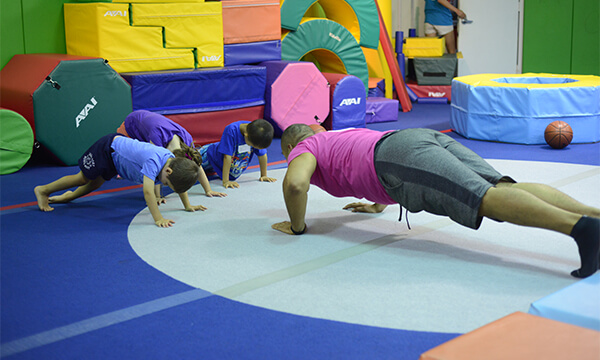
Toddlers copying a coach's push-up pose on the mat during a Kidville gym class
GYM CLASSES FROM 8 MONTHS • TUMBL TRAK • INDOOR SWINGS • FIRST CLASS FREE

By the Kidville Upper West Side Team · Updated October 2026

SHORT ANSWER

Gross motor activities for toddlers are games that work the big muscles: crawling through tunnels, climbing, running, jumping, kicking and throwing. The AAP lists walking alone, starting to run, kicking a ball and climbing onto furniture as 2-year-old milestones. On the Upper West Side, Kidville’s gym classes and indoor playspace are built around these skills.

Toddlers do not need to be taught to move. They need room, a safe place to fall and something worth climbing. Gross motor play is how they get stronger, steadier and braver, and in a New York apartment it takes a little planning. This guide explains what gross motor skills are, the movement milestones the American Academy of Pediatrics lists at 1, 2 and 3, indoor activities that fit a living room, and how the Kidville Upper West Side gym classes turn the same skills into a weekly routine. Every Kidville detail was checked on Kidville’s own pages on October 22, 2026.

What are gross motor skills, and why do they matter for toddlers?

Gross motor skills use the large muscles of the arms, legs and trunk: crawling, walking, running, jumping, climbing, kicking and throwing. Fine motor skills are the small hand movements, like picking up a crumb or holding a crayon; our fine motor activities for toddlers guide covers those. The AAP’s guide How Active Is Your Toddler? describes the goal of toddler play as practicing physical skills like walking, running, squatting and climbing, and notes that just 15 minutes a day of quality one-on-one time helps with physical development. Its article on movement milestones in preschoolers adds that movement also helps children understand new words and ideas.

Gross motor skill What it builds Everyday example
Crawling Arm and shoulder strength, coordination of both sides of the body Crawling through a tunnel or under a table
Walking and running Balance, leg strength, speed control Chasing bubbles across the room
Climbing Strength, planning, courage Climbing onto the couch and back down
Jumping Leg power, landing safely Jumping off the bottom step onto a cushion
Kicking and throwing Aim, timing, balance on one leg Kicking a soft ball to a parent

Built on HealthyChildren.org, “How Active Is Your Toddler?” and “Movement Milestones in Preschoolers” (American Academy of Pediatrics), verified October 22, 2026

This guide is general information, not medical advice. If you have questions about how your child moves, walks or balances, your pediatrician is the right person to ask.

What gross motor skills should a toddler have at 1, 2 and 3?

Around 1, toddlers pull up and cruise; around 2, they walk alone, start to run and climb furniture; around 3, they ride a tricycle and throw overhand. These come from the AAP’s milestone pages for 12 months, 2 year olds and 3 to 4 year olds. Every child moves at their own pace, so use the table as a guide to what to practice, not as a test.
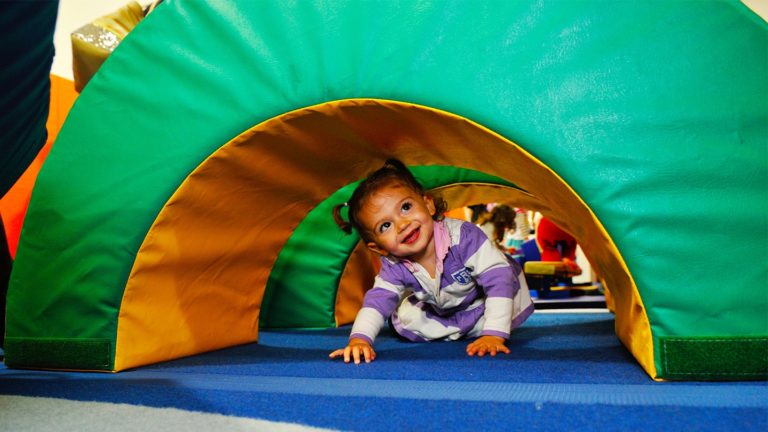
Toddler girl crawling through a green and yellow tunnel on the Kidville gym mats

Age Movement milestones the AAP lists Activities that practice them
Around 12 months Pulls self up to stand; walks holding on to furniture; stands momentarily without support; may walk two or three steps Cruising along the couch to reach a toy, pushing a sturdy box, crawling through a tunnel
2 years Walks alone; pulls toys while walking; begins to run; stands on tiptoe; kicks a ball; climbs onto and down from furniture; walks up and down stairs holding on Pull toys, chasing games, kicking a soft ball, a cushion climb, stairs with a hand to hold
3 to 4 years Hops and stands on one foot up to 5 seconds; kicks a ball forward; throws a ball overhand; pedals a tricycle; climbs on and off a couch or chair Hopscotch with tape on the floor, catch with a big ball, tricycle in the park, freeze dance

Source: HealthyChildren.org, “Developmental Milestones: 12 Months”, “Developmental Milestones: 2 Year Olds” and “Developmental Milestones: 3 to 4 Year Olds” (American Academy of Pediatrics), verified October 22, 2026

The AAP’s preschool movement article also notes that at 3, a child may still need to make a conscious effort to stand on tiptoes or one foot, get up from a squat or catch a ball, which is exactly why repetition in play matters. For the baby stage, our baby gym classes guide covers 8 to 15 months in detail.

What are some fun gross motor activities for toddlers indoors?

The best indoor gross motor activities need a cleared floor, a few cushions and a grown-up who plays too. The AAP suggests child-led walks, dance parties and bubble play for toddlers, and for older toddlers crab-walk races, Floor is Lava and Red Light, Green Light. All of them fit in a living room and none need special equipment.

Indoor activity What you need Skills it works Good from
Bubble chase A bubble wand Walking, running, reaching, stopping Walking toddlers
Dance party A playlist Balance, rhythm, jumping 1 year
Cushion mountain Couch cushions on the floor Climbing up and safely down 1 year, with a grown-up close
Tunnel crawl A play tunnel or a blanket over two chairs Crawling, shoulder strength 1 year
Floor is Lava Pillows or tape spots on the floor Jumping, balance, planning a path 2 years
Crab-walk races Open floor Arm and core strength 2 to 3 years
Red Light, Green Light A hallway Running, stopping, listening 2 to 3 years

Ideas from HealthyChildren.org, “How Active Is Your Toddler?” (American Academy of Pediatrics), verified October 22, 2026; ages are starting points, and your own child and your supervision set the pace

The AAP also recommends putting your phone away and setting a timer for play, and staying close so you can step in if a toddler heads for something they should not. Many of these games double as sensory play; our sensory play for toddlers guide has more ideas that mix the two.

Where can toddlers practice gross motor skills on the Upper West Side?

In a Kidville gym class, where coaches rotate equipment every week, or in the indoor playspace on days without class. The Kidville gym classes page describes a familiar routine that moves from warm-ups to exploration, skill sharing and cool down, anchored by a theme, in a gym space with a weekly rotation of equipment, obstacle courses and props. Kidville lists the developmental benefits as strength and flexibility, from forward rolls to toe touches; courage and confidence through safe risk-taking with a supportive coach; active play, from the Tumbl Trak to the swings; and social skills such as teamwork and turn-taking.

Smiling boy hanging from the monkey bars in the Kidville gym

Kidville option Ages What toddlers do Cost
Big Muscles for Little Babies 8 to 15 months Inclines, balls, tunnels and the Tumbl Trak while moving from sitting to standing and crawling to cruising; indoor swings and bubble dances Membership: $219 a month for 4 classes or $399 for 8
Big Muscle Builders 12 to 24 and 18 to 36 months Climbing courses, jumping on the Tumbl Trak, indoor swings, and lifting, carrying and stacking giant blocks Membership: $219 a month for 4 classes or $399 for 8
Indoor playspace Toddlers with a grown-up Open play in the Kidville gym $31 per 1-hour session; packs of 5 for $150 or 10 for $290; register in advance
Free trial class Any class on the schedule One gym class to see if it fits Free; playspace does not count as the trial

Source: Kidville Upper West Side gym classes, playspace, membership and trial class pages, verified October 22, 2026

Kidville describes Big Muscle Builders as preparing children for gymnastics and sports. For what a class looks like week to week, see our toddler gym classes guide, and for choosing between a class and open play on a cold or wet day, our indoor gym classes guide and rainy day activities guide.

Possible downside: class spots are limited and your child is enrolled in the same class each week, so a gym class takes a weekly commitment. Grayed-out enrollment buttons mean a class is full or outside its enrollment window, and the front desk can add you to a waitlist at 212-362-7792. Playspace sessions must be booked in advance, and weekend hours depend on the birthday party schedule.

How can parents help a toddler build gross motor skills safely?

Give them space, let them lead, and stay close without hovering. The AAP’s preschool movement article says a few bumps and bruises are a normal part of learning to move and that you do not need to hover over solo play at home, but that your attention matters most around other children, hazardous equipment and traffic, and that the same close watching matters any time your child is near water.

Do Why AAP source
Let your toddler lead the walk or the game Child-led play keeps them interested longer How Active Is Your Toddler?
Put the phone away and set a timer 15 minutes of focused one-on-one time helps physical development How Active Is Your Toddler?
Stay close around equipment and other kids Self-control and coordination are still developing Movement Milestones in Preschoolers
Watch closely any time they are near water Never leave a child alone in a pool or at the beach, even if they can swim Movement Milestones in Preschoolers
Repeat favorite games Skills like standing on one foot and catching still take effort at 3 Movement Milestones in Preschoolers

Source: HealthyChildren.org, “How Active Is Your Toddler?” and “Movement Milestones in Preschoolers” (American Academy of Pediatrics), verified October 22, 2026

Gross motor activities for toddlers: FAQ

What are 5 examples of gross motor skills?

Crawling, walking, running, jumping and climbing are five classic examples, and kicking and throwing a ball are close behind. Each one uses the large muscles of the legs, arms and trunk. The AAP lists walking alone, beginning to run, kicking a ball and climbing onto and down from furniture among its 2-year-old milestones. Kidville’s toddler gym class practices all of them on climbing courses, the Tumbl Trak and giant blocks.

What are some fun gross motor activities for toddlers indoors?

Bubble chases, dance parties, a cushion mountain, a tunnel crawl, Floor is Lava, crab-walk races and Red Light, Green Light all work in an apartment. The AAP suggests dance parties and bubble play for toddlers, plus crab-walk races and Floor is Lava for older toddlers. Clear the floor, move anything sharp, and play along. For bigger equipment, Kidville’s indoor playspace runs one-hour sessions for $31.

What gross motor skills should a 1 year old have?

Around 12 months, the AAP lists getting to sitting without help, crawling, pulling up to stand, walking while holding on to furniture, standing for a moment without support, and maybe taking two or three steps alone. Every baby gets there on their own schedule. Cruising along a couch and crawling through tunnels are great practice, and Kidville’s Big Muscles for Little Babies class covers 8 to 15 months.

What are some good gross motor activities for a 2-year-old?

Good choices include chasing bubbles, kicking a soft ball, climbing a cushion pile, pulling a toy on a string, jumping to music and simple running games. The AAP says 2-year-olds begin to run, stand on tiptoe, kick a ball and climb onto and down from furniture, so games that use those moves fit well. Kidville’s Big Muscle Builders class for 18 to 36 months adds climbing courses, swings and the Tumbl Trak.

What gross motor skills should a 3 year old have?

By 3 to 4, the AAP lists hopping and standing on one foot for up to five seconds, kicking a ball forward, throwing a ball overhand, catching a bounced ball most of the time and pedaling a tricycle. Its preschool movement article adds that a 3-year-old walks steadily and can ride a tricycle with ease, while standing on one foot and catching still take effort. Hopscotch, catch and obstacle courses are good practice.

How do I improve my child’s gross motor skills?

Make time every day for active play, let your child lead, and repeat the games they love. The AAP notes that just 15 minutes a day of focused one-on-one time helps physical development. Offer things to climb, push, kick and throw, stay close around equipment and water, and add a weekly class if you can. Kidville’s gym classes rotate equipment weekly, and your first class is free.

The bottom line

Gross motor activities for toddlers are simple: room to move, a few cushions and a grown-up who plays along. The AAP’s milestones give you a guide to what to practice at 1, 2 and 3, and its everyday ideas, from dance parties to Floor is Lava, fit in any apartment. On the Upper West Side, Kidville’s Big Muscles for Little Babies and Big Muscle Builders classes add climbing courses, the Tumbl Trak and indoor swings, with the playspace for the days in between.

Ready to get moving? See the Kidville gym classes at Kidville Upper West Side, 205 West 88th Street, New York, NY 10024, or claim a free trial class. Call 212-362-7792 with questions.

ABOUT THE AUTHOR

The Kidville Upper West Side Team runs the Kidville location at 205 West 88th Street, New York, NY 10024, home to music, gym, art, dance and STEM classes, Kidville University, Camp Kidville, an indoor playspace, birthday parties and a kids salon for children from birth to age 6. Every age, price and schedule detail in our guides is checked against Kidville’s own published pages.

Sources

Every Kidville class, age and price detail in this guide comes from Kidville Upper West Side’s own pages, checked on October 22, 2026. Milestone, play and safety guidance comes from HealthyChildren.org, the American Academy of Pediatrics’ parenting site.

Kidville Upper West Side: Gym Classes

Kidville Upper West Side: Playspace and Holiday Schedule

Kidville Upper West Side: Free Trial Class

Kidville Upper West Side: Enrollment Options and Membership

Kidville Upper West Side: Contact

HealthyChildren.org (American Academy of Pediatrics): How Active Is Your Toddler?

HealthyChildren.org (American Academy of Pediatrics): Movement Milestones in Preschoolers

HealthyChildren.org (American Academy of Pediatrics): Developmental Milestones: 12 Months

HealthyChildren.org (American Academy of Pediatrics): Developmental Milestones: 2 Year Olds

HealthyChildren.org (American Academy of Pediatrics): Developmental Milestones: 3 to 4 Year Olds
Thanksgiving Activities for Toddlers in NYC: A Week-Long Plan from the Upper West Side

KIDVILLE UPPER WEST SIDE

Thanksgiving Activities for Toddlers in NYC: A Week-Long Plan from the Upper West Side

Simple Thanksgiving activities for 1, 2 and 3 year olds, pediatrician-backed tips for a calm holiday, and the Kidville Upper West Side schedule for Thanksgiving week.

See Playspace Hours

205 W 88th St · 212-362-7792

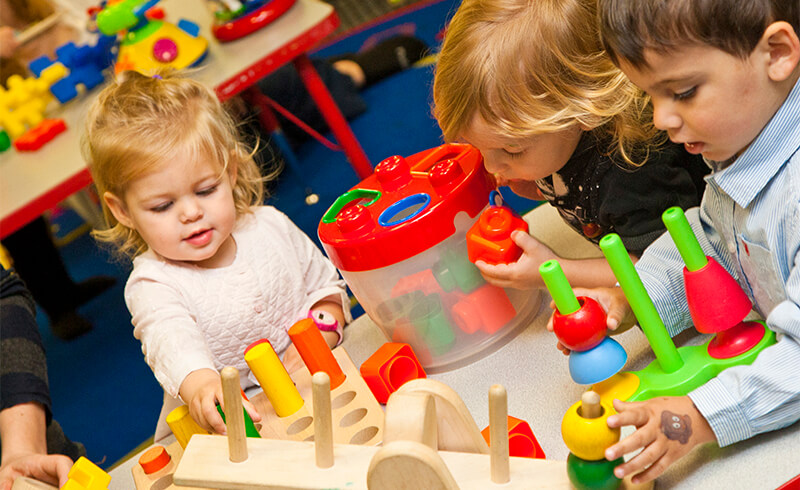
Two toddlers playing with colorful stacking toys at a table in the Kidville playspace
PLAYSPACE MONDAY TO WEDNESDAY • CLOSED THANKSGIVING DAY • $31 DROP-IN • FIRST CLASS FREE

By the Kidville Upper West Side Team · Updated October 2026

SHORT ANSWER

Thanksgiving activities for toddlers in NYC work best when they are short, hands-on and built around naps: a thankful handprint tree, kitchen helper jobs, a leaf walk in Riverside Park, and a playspace hour before the big day. Kidville Upper West Side runs classes and playspace Monday to Wednesday of Thanksgiving week and is fully closed on Thanksgiving Day.

Thanksgiving week with a toddler is four days of broken routine, a kitchen full of hot pans, relatives who want hugs, and one very long dinner. The fix is not a packed itinerary. It is a handful of five-minute activities, a plan for burning off energy before the house fills up, and a clear idea of what is open. This guide gives you at-home Thanksgiving activities for 1, 2 and 3 year olds, the American Academy of Pediatrics’ advice for keeping the holiday calm and safe, and the exact Kidville Upper West Side schedule for the week, including the indoor playspace at 205 West 88th Street. Every Kidville detail was checked on Kidville’s own pages on October 21, 2026.

What is open for toddlers on the Upper West Side during Thanksgiving week?

Kidville runs its normal classes and playspace sessions Monday through Wednesday, is fully closed on Thanksgiving Day, and holds no classes on Black Friday. That comes straight from the holiday schedule on Kidville’s playspace page: Thursday, November 26 is listed as fully closed, and Friday, November 27 as no classes or Kidville University. Front desk hours are Monday to Friday, 9:00am to 6:00pm, and weekend hours depend on the birthday party schedule, so call 212-362-7792 before heading over on Saturday or Sunday.

Day Kidville Upper West Side What that means for your toddler
Monday, November 23 Classes and playspace as usual Playspace sessions start at 9:00am, 10:40, 11:50, 1:00pm, 2:10, 3:15 and 4:20
Tuesday, November 24 Classes and playspace as usual Playspace sessions at 9:00am, 12:15pm, 1:20, 2:25, 3:30 and 4:30
Wednesday, November 25 Classes and playspace as usual Playspace at 9:00, 10:00 and 11:00am, 1:15pm, 2:15 and 4:30; the best day to burn off energy before the holiday
Thursday, November 26 Fully closed (Thanksgiving Day) Home day; use the at-home ideas below
Friday, November 27 No classes or Kidville University Playspace hours are subject to change on holidays, so call ahead
Saturday and Sunday Based on the birthday party schedule Call for the weekend playspace schedule

Source: Kidville Upper West Side playspace page (holiday schedule and weekday sessions) and contact page, verified October 21, 2026

Each playspace session is one hour and costs $31 for a single visit, with 20% off for siblings, and packs of 5 for $150 or 10 for $290. Members on the $399 Double Class Membership get unlimited playspace, and the $219 Single Class Membership includes 3 playspace passes a month. A grown-up stays within hug’s reach the whole time, so bring socks for both of you. For the rest of the holiday season, our winter break activities guide covers the December 24 to 31 closure and the January dates.

What are some fun activities for toddlers on Thanksgiving?

The best Thanksgiving activities for toddlers take five minutes to set up, use what is already in the apartment, and let the child do the real work. The AAP’s holiday advice on HealthyChildren.org is to cook with your children, because baking or cooking together builds bonds and confidence, and to make one or two gifts with your child rather than buying expensive ones. Its guide to cooking with kids adds that even toddlers can get involved in the kitchen, that cooking engages all the senses, and that a 4 year old may be ready to rinse fruit or tear salad leaves. For a toddler, the jobs are simpler and the mess is part of the point.

Two toddlers dripping and brushing paint on paper at a Kidville art table

Thanksgiving activity What you need Age it fits Why it works
Thankful handprint tree Brown paper, washable paint, a big sheet taped to the wall 1 year and up Each guest adds a handprint leaf; the toddler paints hands, you write the thanks
Kitchen helper jobs A step stool, a bowl, a wooden spoon 18 months and up Washing potatoes, stirring cold batter, tearing bread for stuffing; real jobs, no hot pans
Leaf walk and leaf rubbing Paper, the side of a crayon, a bag for leaves 1 year and up Riverside Park is a few blocks west; rubbings come home as placemats
Pie-crust dough play A ball of flour-and-water dough, a child-safe rolling pin 18 months and up Taste-safe sensory play while the real pie bakes
Table-setting job Napkins, unbreakable cups, place cards with names 2 years and up Counting, matching and a job that makes a 2 year old feel important
Thankful storytime Two or three picture books, a quiet corner 1 year and up A reset before dinner; the AAP says family time like board games matters more than gifts
Parade from the sofa The TV or the window, pots and spoons for a marching band 1 year and up Watch a few floats, then march around the apartment; if you go in person, check the official route and dress for cold

Ideas built on HealthyChildren.org holiday and cooking guidance (American Academy of Pediatrics), verified October 21, 2026; ages are starting points, your own child and your supervision set the pace

Most of these are sensory play with a holiday costume on. For more of that kind of play by age, including what to skip for a child who still mouths things, see our sensory play for toddlers guide, and for the big messy version, Kidville’s My Big Messy Art Class runs on the regular schedule Monday to Wednesday that week.

How do I keep a toddler safe and calm while Thanksgiving dinner is cooking?

Keep the routine, keep the toddler out of the hot zone, and clean up as soon as the meal ends. The AAP’s 12 tips for a joyful season start with keeping sleep and mealtime routines, because routines help prevent tantrums when shopping, cooking and visitors pile up. The same list says to keep small decorations and removable parts out of reach, to watch for hazards in homes that are not childproofed, and to clean up right after a party, because leftover food can cause choking and alcohol is dangerous for toddlers.

Thanksgiving risk AAP guidance How to apply it on the day
Hot liquids and pans Turn pot handles toward the back of the stove; know where your child is before carrying hot liquids; never carry a child while holding them Give the toddler a cold job at the far end of the kitchen, or a box of safe toys outside it
Skipped nap Keep sleep and mealtime routines Serve the toddler an early plate and put the nap before the main meal, not after
Small decorations and gourds Keep small parts out of reach; they can be swallowed or inhaled Decorate the toddler’s eye level with paper, not acorns, candles or mini pumpkins
Visiting another home Homes you visit may not be childproofed; store medications safely Walk the apartment once on arrival and ask where the medicines are
After the meal Clean up right after parties; leftovers can cause choking Clear plates and glasses before the toddler is back on the floor
Overstimulation Children pick up on their parents’ stress Plan one quiet corner with books and let the toddler leave the table early

Source: HealthyChildren.org, “Kitchen Safety: 10 Tips for Families With Young Children” and “12 Tips to Keep Families Joyful this Season” (American Academy of Pediatrics), verified October 21, 2026

This guide is general information, not medical advice. For questions about your child’s diet, allergies or development, your pediatrician is the right person to ask.

Where can I take a toddler in NYC during Thanksgiving week?

Somewhere with a short walk, a bathroom and an exit, which on the Upper West Side means the park in the morning and an indoor playspace when it gets cold. The two Riverside Park playgrounds closest to 88th Street are listed on the NYC Parks playground page: River Run Playground at West 83rd Street and Riverside Drive, and Hippo Playground at West 91st Street and Riverside Drive. For indoor time, Kidville’s playspace gives toddlers padded floors, climbing and crawling equipment and other children to run with, and a trial class is free.

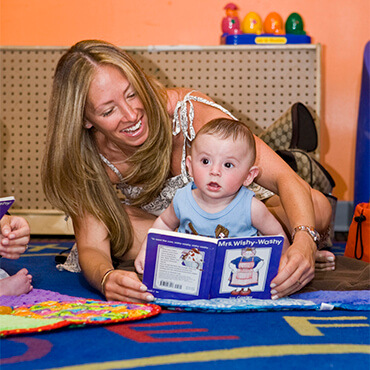
Mom reading a picture book with her baby on the floor of a Kidville classroom

Outing Ages Cost Thanksgiving week note
Kidville indoor playspace Toddlers with a grown-up $31 per hour, packs from $150 Open Monday to Wednesday; call for Friday and weekend hours
Free trial class Newborn and up, by class Free Gym, music and art classes run Monday to Wednesday; playspace does not count as the trial
Riverside Park playgrounds All ages Free River Run at West 83rd, Hippo at West 91st; mornings are quietest
Kidville membership All ages $219 or $399 a month Double membership includes unlimited playspace for the holiday weeks

Source: Kidville Upper West Side playspace, trial class and membership pages, and NYC Parks (Riverside Park playgrounds), verified October 21, 2026

If the forecast turns, our rainy day activities guide has a wet-day plan, and our indoor gym classes guide compares the gym options by age. For a normal week’s rhythm to return to after the holiday, see what to do with a toddler during the week.

Possible downside: Thanksgiving week is not a normal week at Kidville either. There are no classes on Thursday or Friday, and the weekend playspace depends on parties. If you want guaranteed indoor time, book a Monday to Wednesday playspace session in advance, since sessions must be registered ahead, and treat Friday as a call-first day.

Thanksgiving activities for toddlers: FAQ

What to do with kids in NYC during Thanksgiving?

Keep mornings for the park and afternoons for something indoors and short. On the Upper West Side, Riverside Park’s River Run and Hippo playgrounds are a short walk from 88th Street, and Kidville’s indoor playspace runs Monday to Wednesday of Thanksgiving week, then closes Thursday. Thanksgiving Day itself is a home day: a handprint tree, kitchen helper jobs and the parade from the sofa fill it without a trip.

What to do with toddlers on Thanksgiving?

Give them one real job and one messy one. Washing potatoes, tearing bread or stirring cold batter is the job; flour-and-water dough while the pie bakes is the mess. The AAP recommends cooking with children because it builds bonds and confidence, as long as hot liquids stay away from counter edges. Keep the nap, serve the toddler an early plate, and let them leave the table before the grown-ups finish.

What to do with a 3 year old in NYC?

A 3 year old can handle a longer outing and a real Thanksgiving job. Let them set the table with place cards, make the handprint tree for the whole family, and take a leaf walk to Riverside Park to collect rubbings. On Monday to Wednesday of the week, Kidville Upper West Side’s art and gym classes run as usual, and a 3 year old can take a free trial class before the holiday starts.

What is the best playground in NYC for toddlers?

The best one is the one you can reach before the toddler melts down. Near Kidville Upper West Side, NYC Parks lists River Run Playground at West 83rd Street and Hippo Playground at West 91st Street, both on Riverside Drive. Go in the morning, dress in layers, and when it gets too cold, Kidville’s indoor playspace a few blocks east has padded floors and climbing equipment for $31 an hour.

What are some fun activities for toddlers on Thanksgiving?

A thankful handprint tree, pie-crust dough play, a leaf rubbing placemat, a pots-and-spoons marching band after the parade, and thankful storytime in a quiet corner before dinner. All of them use paper, paint, dough and books you already have. The AAP’s holiday advice favors simple homemade gifts and family time over expensive or electronic ones, and these fit that exactly.

What activities can 2-3 year olds do?

At 2 and 3, children can pour, scoop, stir, tear, stick and sort, so give them those verbs: tearing bread for stuffing, sorting napkins by color, pressing leaves under paper for rubbings, and painting a big sheet taped to the wall. Kidville’s My Big Messy Art Class for 18 months to 4 years and its gym classes for 18 to 36 months are built around the same skills, and both run Monday to Wednesday of Thanksgiving week.

The bottom line

Thanksgiving activities for toddlers in NYC come down to three things: short hands-on jobs at home, a park morning, and a plan for the days Kidville is open. The AAP’s advice is to keep routines, cook together, keep small parts out of reach and clean up fast after the meal. On the Upper West Side, Kidville runs classes and playspace Monday to Wednesday of Thanksgiving week, closes on Thursday, and holds no classes on Friday, so book the Wednesday playspace session early and save Thursday for the handprint tree.

Planning Thanksgiving week? See the playspace schedule at Kidville Upper West Side, 205 West 88th Street, New York, NY 10024, or claim a free trial class before the holiday. Call 212-362-7792 for holiday hours.

ABOUT THE AUTHOR

The Kidville Upper West Side Team runs the Kidville location at 205 West 88th Street, New York, NY 10024, home to music, gym, art, dance and STEM classes, Kidville University, Camp Kidville, an indoor playspace, birthday parties and a kids salon for children from birth to age 6. Every age, price and schedule detail in our guides is checked against Kidville’s own published pages.

Sources

Every Kidville schedule, age and price detail in this guide comes from Kidville Upper West Side’s own pages, checked on October 21, 2026. Holiday, cooking and kitchen safety guidance comes from HealthyChildren.org, the American Academy of Pediatrics’ parenting site. Playground locations come from NYC Parks.

Kidville Upper West Side: Playspace and Holiday Schedule

Kidville Upper West Side: Art Classes (My Big Messy Art Class)

Kidville Upper West Side: Free Trial Class

Kidville Upper West Side: Enrollment Options and Membership

Kidville Upper West Side: Contact and Hours

HealthyChildren.org (American Academy of Pediatrics): 12 Tips to Keep Families Joyful this Season

HealthyChildren.org (American Academy of Pediatrics): 5 Great Reasons to Cook with Your Kids

HealthyChildren.org (American Academy of Pediatrics): Kitchen Safety: 10 Tips for Families With Young Children

NYC Parks: Riverside Park Playgrounds

Winter Break Activities for Toddlers in NYC: An Upper West Side Guide

KIDVILLE UPPER WEST SIDE

Winter Break Activities for Toddlers in NYC: An Upper West Side Guide

When it is too cold for the playground, what to do at home, when Kidville is open over the holidays, and how to keep a toddler moving from Thanksgiving to Presidents Day.

See Holiday Hours

205 W 88th St · 212-362-7792

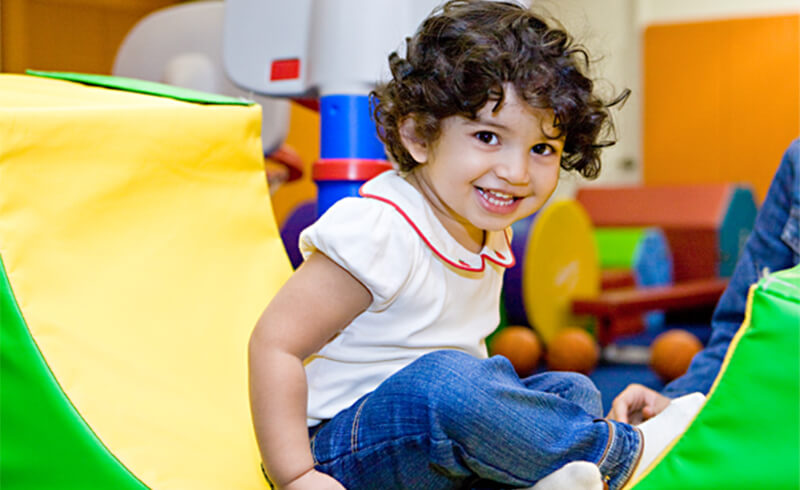
Smiling curly-haired toddler sitting on colorful padded mats in the Kidville gym
INDOOR PLAYSPACE • 45-MINUTE CLASSES • $31 DROP-IN • FIRST CLASS FREE

By the Kidville Upper West Side Team · Updated October 2026

SHORT ANSWER

Winter break activities for toddlers in NYC work best as a mix: short outdoor time when the wind chill allows, simple play at home, and one warm indoor outing a day. On the Upper West Side, Kidville runs classes and an indoor playspace all season, closing fully only on Thanksgiving, Christmas Day and New Year’s Day.

Winter in a Manhattan apartment with a toddler is a long season. School break runs for more than a week, the playground is iced over, and by January the days feel very short. The good news is that toddlers do not need a trip or a big plan. They need somewhere to move, something to make, and a predictable day. This guide covers what pediatricians say about cold weather and activity for young children, winter ideas that need nothing new, and exactly when the Kidville Upper West Side indoor playspace and classes are open over the holidays. Every Kidville date and price was checked on Kidville’s own pages on October 20, 2026.

What to do with toddlers in NYC in winter?

Keep them moving every day, indoors when the cold makes outdoor play unsafe. HealthyChildren.org, the parenting site of the American Academy of Pediatrics, says children aged 3 to 5 need at least 3 hours of physical activity a day, about 15 minutes every waking hour, and that infants need at least 30 minutes of tummy time and interactive play spread through the day. That number does not drop in January. Winter simply moves more of it indoors, which is why a small apartment needs a plan.

Winter day block What it looks like with a toddler Why it helps
Morning (after breakfast) A short outdoor walk or playground visit if the wind chill allows, or a cushion obstacle course at home Burns the biggest chunk of energy early
Late morning One indoor outing: a playspace session, a class, or library story time Warm, big and built for running
After lunch Nap, then a winter craft or blocks at the table Quiet, hands-on play while it gets dark early
Late afternoon Kitchen band, dance party or a bath Movement in short bursts before dinner

Plan built around HealthyChildren.org activity guidance (American Academy of Pediatrics), verified October 20, 2026

This guide is general information, not medical advice. Your pediatrician is the right person to ask about your own child’s health, activity and time outdoors.

How cold is too cold for a toddler to play outside?

Below a wind chill of minus 15 degrees Fahrenheit, stay in; above that, dress in layers and take breaks. The AAP’s guide to playing outside in winter says outdoor play in temperatures or wind chills below minus 15 degrees Fahrenheit should be avoided, because exposed skin begins to freeze within minutes. Children lose heat faster than adults because their bodies are smaller, and when they are having fun they are less likely to come in when they get too cold, so the grown-up has to call it.

For what to wear, the AAP’s cold weather safety page gives a simple rule of thumb: dress older babies and young children in one more layer than an adult would wear in the same conditions, in several thin layers rather than one bulky one, with warm boots, mittens or gloves, and a hat. Change wet clothes right away, and give kids a warm place for regular indoor breaks.

AAP cold weather rule What it means for a toddler walk on the Upper West Side
Avoid wind chills below minus 15 degrees Fahrenheit Check the wind chill, not just the temperature, before heading to the playground
One more layer than an adult, in thin layers Base layer, sweater, coat, plus boots, mittens and a hat
Change out of wet clothes right away Pack spare socks and mittens in the stroller
Regular indoor breaks to warm up Plan the walk to end somewhere warm, like a playspace or a class
Watch for shivering, clumsiness or numb fingers Head inside at the first sign; call your pediatrician if numbness lasts more than a few minutes

Source: HealthyChildren.org, “Playing Outside in Winter: Tips to Keep Kids Warm and Safe” and “Cold Weather Safety for Children” (American Academy of Pediatrics), verified October 20, 2026

What can we do at home over winter break?

Make things, build things and move, using what is already in the apartment. A toddler’s winter break does not need a shopping list. The ideas below rotate through the three things a toddler wants most on a cold day: a job to do with their hands, something to knock down, and a reason to run.

Two young children making a cotton snowman craft together at a Kidville art table

Winter idea at home What you need Good for
Cotton ball snowman Cotton balls, a paper cup or plate, glue stick Fine motor skills and a snow day without the snow
Snow in a bowl A bowl of clean snow from the windowsill or balcony, spoons, cups Sensory play at the kitchen table, mittens optional
Indoor obstacle course Couch cushions, a blanket tunnel over two chairs Climbing and crawling when the playground is iced over
Winter picture books, then act them out Two or three books, stuffed animals Language and pretend play on a dark afternoon
Dance party Any music, the living room rug Fifteen minutes of real movement, no setup
Window watching A window with a view of the street or snow Counting trucks, naming colors, a calm reset

Ideas built around HealthyChildren.org activity and play guidance (American Academy of Pediatrics), verified October 20, 2026

For more at-home ideas that work in any weather, our rainy day activities guide covers simple toys and screen time by age, and our toddler weekday routine guide shows how one outing a day fits into a full week.

Where can I take my toddler for winter break on the Upper West Side?

Somewhere warm, close to home, and built for running. The Kidville Upper West Side playspace at 205 West 88th Street turns one of its gyms into an indoor playspace at set weekday sessions, where toddlers can run, climb and make new friends while the grown-ups thaw out. A 45-minute parent-and-child class covers the same need on a schedule, and the library story time at your local branch is a classic free option.

Winter option at Kidville How long Price What to know
Indoor playspace 1 hour $31 drop-in, 20% off siblings Must register in advance; grown-ups wear socks and stay within hug’s reach
Playspace packs 1 hour each 5 for $150, 10 for $290, 20 for $560 10% off siblings on packages; a pack covers a whole winter break
A weekly class 45 minutes Via membership; first class free Music from newborn, gym from 8 months, art from 18 months on the current schedule
Membership Monthly $219 for 4 classes plus 3 playspace passes; $399 for 8 classes plus unlimited playspace The Double plan covers daily playspace visits over a long break

Source: Kidville Upper West Side playspace, classes and membership pages, verified October 20, 2026

Our indoor gym guide compares the gym classes and the playspace in more detail. For weekday playspace session times, see the playspace page; there are 31 one-hour sessions across the five weekdays, and weekend sessions depend on the birthday party schedule.

When is Kidville Upper West Side open over the holidays?

Every regular weekday except the dates below. Kidville posts its holiday schedule on the playspace page. Thanksgiving Day, Christmas Day and New Year’s Day are full closures. On the other listed dates there are no classes or Kidville University, so call the front desk at 212-362-7792 to confirm playspace hours before you head out. Hours are subject to change for holidays and private events. For the week of November 23, our Thanksgiving activities for toddlers guide lays out each day.

Mom with a noisemaker and her toddler in a sparkly New Year party hat at Kidville

Date Kidville Upper West Side status (per the posted holiday schedule)
Wednesday, November 11 (Veterans Day) No classes or Kidville University
Thursday, November 26 (Thanksgiving Day) Fully closed
Friday, November 27 (Black Friday) No classes or Kidville University
December 24 to 31 (Winter Break) No classes or Kidville University; December 25 fully closed
Friday, January 1, 2027 (New Year’s Day) Fully closed
Monday, January 18, 2027 (Martin Luther King Jr. Day) No classes or Kidville University
Monday, February 15, 2027 (Presidents Day) No classes or Kidville University

Source: Kidville Upper West Side playspace page holiday schedule, verified October 20, 2026; hours are subject to change, call 212-362-7792 to confirm

If your toddler is in Kidville University, the fall session runs to January 22, 2027, and Kidville typically admits new children at the start of the fall and winter sessions. Our preschool alternative guide explains the KVU programs, and how to prepare a toddler for preschool covers the readiness steps to practice over the break.

Possible downside: the busiest playspace days of the year are exactly the ones when school is out, so sessions fill, and December 24 to 31 has no classes at all. Book playspace sessions the night before, and if you rely on a class for your toddler’s routine, plan an at-home replacement for the last week of December. Weekend hours also depend on birthday parties, so call before a Saturday visit.

Winter break activities for toddlers in NYC: FAQ

What to do with toddlers in NYC in winter?

Mix a short outdoor walk, simple play at home and one warm indoor outing a day. The AAP recommends about 15 minutes of activity for every waking hour for children 3 to 5, and winter moves most of it indoors. On the Upper West Side, Kidville’s indoor playspace runs 1-hour weekday sessions for $31, and library story times are free.

Where can I take my kids for winter break?

Somewhere warm with room to run, close enough that the walk home is short. An indoor playspace, a parent-and-child class, or your library’s story time all work for toddlers. Kidville Upper West Side at 205 West 88th Street stays open on regular weekdays through the break, closing fully only on Thanksgiving, Christmas Day and New Year’s Day; call ahead for playspace hours on the no-class days.

What to do in New York with a 2 year old?

In winter, keep outings short and warm. A 2-year-old does well with one planned stop: an hour at an indoor playspace, a 45-minute class, or story time, then home for lunch and a nap. Dress them in one more layer than you wear, as the AAP advises, and skip outdoor play when the wind chill drops below minus 15 degrees Fahrenheit. Kidville’s first class is free, which makes a trial easy over the break.

What can I do with my 2 year old toddler?

When it is too cold to go out, build a cushion obstacle course, make a cotton ball snowman, bring a bowl of snow inside for the kitchen table, or hold a 15-minute dance party. The AAP’s activity guidance is about movement spread through the day, so short bursts count. Save the quiet crafts and picture books for the dark late afternoon, when a toddler’s energy and patience both run low.

How cold is too cold for a toddler to be outside?

The AAP says to avoid outdoor play when the temperature or wind chill is below minus 15 degrees Fahrenheit, because exposed skin can begin to freeze within minutes. Above that, dress a toddler in thin layers with boots, mittens and a hat, change wet clothes right away, and come inside for regular breaks. Shivering, clumsiness or numb fingers mean it is time to go in now.

Is Kidville Upper West Side open during winter break?

Partly. Per the posted holiday schedule, there are no classes or Kidville University from December 24 to 31, Christmas Day is fully closed, and New Year’s Day is fully closed. Regular classes and playspace sessions run on the other weekdays of the season. Playspace hours can change for holidays and private events, so call 212-362-7792 to confirm before a visit during the break.

The bottom line

Winter break activities for toddlers in NYC come down to one warm place to run each day and a few simple things to do at home. Follow the AAP’s cold weather rules outdoors, keep movement going indoors in short bursts, and plan around the handful of days Kidville closes. On the Upper West Side, the Kidville playspace and classes at 205 West 88th Street cover the warm part, so book the sessions you want before the break fills them.

Planning the break? Check the holiday hours and playspace sessions at Kidville Upper West Side, 205 West 88th Street, New York, NY 10024, or claim a free trial class. Call 212-362-7792 with questions.

ABOUT THE AUTHOR

The Kidville Upper West Side Team runs the Kidville location at 205 West 88th Street, New York, NY 10024, home to music, gym, art, dance and STEM classes, Kidville University, Camp Kidville, an indoor playspace, birthday parties and a kids salon for children from birth to age 6. Every age, price and schedule detail in our guides is checked against Kidville’s own published pages.

Sources

Every Kidville date, price and schedule detail in this guide comes from Kidville Upper West Side’s own pages, checked on October 20, 2026. Cold weather, clothing and activity guidance comes from HealthyChildren.org, the American Academy of Pediatrics’ parenting site.

Kidville Upper West Side: Playspace and Holiday Schedule

Kidville Upper West Side: Classes and Programs

Kidville Upper West Side: Enrollment Options and Membership

Kidville Upper West Side: Kidville University

Kidville Upper West Side: Free Trial Class

Kidville Upper West Side: Contact

HealthyChildren.org (American Academy of Pediatrics): Playing Outside in Winter: Tips to Keep Kids Warm and Safe

HealthyChildren.org (American Academy of Pediatrics): Cold Weather Safety for Children: Preventing Frostbite and Hypothermia

HealthyChildren.org (American Academy of Pediatrics): Making Physical Activity a Way of Life

Rainy Day Activities for Toddlers in NYC: An Upper West Side Plan

KIDVILLE UPPER WEST SIDE

Rainy Day Activities for Toddlers in NYC: An Upper West Side Plan

What to do at home with simple toys, where to go when the apartment gets small, and the indoor playspace hours that save a wet weekday.

See Playspace Hours

205 W 88th St · 212-362-7792

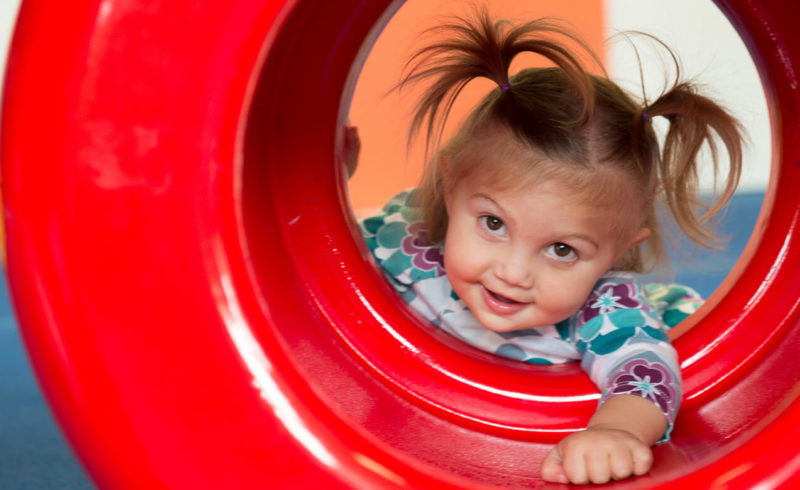
Smiling toddler girl peeking through a red play tunnel in the Kidville gym
1-HOUR PLAYSPACE • 31 WEEKDAY SESSIONS • $31 DROP-IN • FIRST CLASS FREE

By the Kidville Upper West Side Team · Updated October 2026

SHORT ANSWER

Rainy day activities for toddlers in NYC work best as a two-part plan: an hour of simple hands-on play at home, then one indoor outing to burn off energy. On the Upper West Side, Kidville runs 1-hour indoor playspace sessions every weekday at 205 West 88th Street, $31 drop-in or included in a membership.

A rainy morning in a Manhattan apartment can feel very long by 10am. The playground is out, the stroller cover is a battle, and the tablet starts looking tempting. The good news is that a toddler does not need much to get through a wet day: a few simple toys at home, a chance to run, and one change of scene. This guide covers what pediatricians say about indoor play and screens, a set of at-home ideas that need nothing you do not already own, and the Kidville Upper West Side indoor playspace and class options when you need to get out of the apartment. Every Kidville detail was checked on Kidville’s own pages on October 15, 2026.

How do I entertain a 2 year old on a rainy day?

With simple toys and your attention, not with more stuff. HealthyChildren.org, the parenting site of the American Academy of Pediatrics, reports the AAP’s finding that the best toys for development are the ones that foster play between a caregiver and child, and that they need not be flashy, expensive or come with an app. The AAP’s list for parents: choose toys that are not overstimulating and encourage imagination, and use children’s books to give you ideas for pretending together. A rainy day is a good excuse to do exactly that.

At-home activity What you need Why it works on a wet day
Block tower and knock-down Blocks, cups or empty boxes Building, problem-solving and a big satisfying crash
Story then act it out One picture book, a few stuffed animals The AAP suggests using books to spark pretend play
Puzzle time A chunky puzzle Quiet focus after a busy stretch
Kitchen band Pots, wooden spoons, a plastic bowl Loud, physical and free
Pretend play A doll, a toy phone, a blanket for a picnic Copying grown-ups is how toddlers rehearse real life
Living room obstacle course Couch cushions on the floor, a tunnel made of chairs Climbing and crawling when the playground is wet

Ideas built around HealthyChildren.org toy and play guidance (American Academy of Pediatrics), verified October 15, 2026

This guide is general information, not medical advice. Your pediatrician is the right person to ask about your own child’s development and activity.

How much should a toddler move on a stuck-inside day?

More than a rainy day usually allows, which is why the outing matters. The AAP recommends that children aged 3 to 5 get at least 3 hours of physical activity a day, or about 15 minutes for every hour they are awake, and that infants get at least 30 minutes of tummy time and interactive play spread through the day. A small apartment rarely covers that on its own. One hour of running and climbing somewhere bigger takes a large bite out of it, and the rest can come in short bursts at home.

On screens, the same AAP toy guidance is specific: total screen time should be less than 1 hour a day for children 2 and older, and avoided for children younger than 18 to 24 months. It also says children under 5 should use computer or video games only if they are developmentally appropriate and with a parent or caregiver alongside. A rainy day is when that hour disappears fastest, so it helps to plan the outing before the screen comes out.

Age AAP activity guidance AAP screen guidance
Under 18 to 24 months Infants: at least 30 minutes of tummy time and interactive play spread through the day Avoid screens
2 years Plenty of active play through the day Less than 1 hour a day in total, with a grown-up
3 to 5 years At least 3 hours a day, about 15 minutes every waking hour Less than 1 hour a day in total

Source: HealthyChildren.org, “Making Physical Activity a Way of Life” and “Ignore the Flashing Screens: The Best Toys go Back to the Basics” (American Academy of Pediatrics), verified October 15, 2026

Where can I go with my toddler on a rainy day on the Upper West Side?

Somewhere big, dry and built for climbing, within a short walk or one subway stop. The library story time at your local branch is a classic, and worth checking your branch’s schedule for. For running and climbing, the Kidville Upper West Side playspace at 205 West 88th Street is built for exactly this: on set weekday sessions Kidville turns one of its gyms into an indoor playspace where kids can run, climb and make new friends.

Toddler in a striped shirt jumping on padded mats in the Kidville playspace

Indoor option at Kidville How long Price What to know
Indoor playspace 1 hour $31 drop-in, 20% off siblings Must register in advance; grown-ups wear socks and stay within hug’s reach
Playspace packs 1 hour each 5 for $150, 10 for $290 10% off siblings on packages; good for a rainy season
A weekly class 45 minutes Via membership; first class free Music from newborn, gym from 8 months, art from 18 months
Private playspace First hour, up to 3 hours $350 first hour for up to 10 children, $125 each additional hour Seven days a week, 10:30am to 6:00pm; book by email with the front desk

Source: Kidville Upper West Side playspace and classes pages, verified October 15, 2026

If your toddler already has a class, a rainy day is a good day to use a playspace pass on a non-class day. Our indoor gym guide compares the gym classes and the playspace in more detail, and our guide to where toddlers can socialize covers why the same small group every week helps. When the cold sets in, our winter break activities guide has the holiday schedule and the AAP cold weather rules.

When can we drop into the playspace on a rainy weekday?

There are 31 one-hour sessions across the five weekdays. Mornings start at 9:00am on Monday, Tuesday and Wednesday, and later on Thursday and Friday. These are the current times on Kidville’s playspace page; book in advance, because rainy days are exactly when sessions fill.

Day Session start times
Monday 9:00, 10:40, 11:50am, 1:00, 2:10, 3:15, 4:20pm
Tuesday 9:00am, 12:15, 1:20, 2:25, 3:30, 4:30pm
Wednesday 9:00, 10:00, 11:00am, 1:15, 2:15, 4:30pm
Thursday 11:15am, 12:20, 1:25, 2:30, 3:30, 4:30pm
Friday 11:10am, 12:15, 1:20, 2:25, 3:30, 4:30pm
Saturday and Sunday Based on birthday parties; call 212-362-7792 for the schedule

Source: Kidville Upper West Side playspace page, verified October 15, 2026; hours are subject to change for holidays and private events

Laughing toddler girl in the Kidville gym under the orange #kidville sign

A rainy-day rhythm that works for most families: an hour of play at home in the morning, the playspace or a class before lunch, a nap, and a quiet afternoon of books and puzzles. Our toddler weekday routine guide shows how that fits into a full week.

What does a rainy-day outing cost?

One rainy day costs $31 at the playspace; a wet month is cheaper on a pack or a membership. Kidville’s two membership plans include playspace access along with weekly classes.

Option Price Playspace included
Single drop-in $31 per 1-hour session One session
5 pack $150 Five sessions
10 pack $290 Ten sessions
Single Class Membership $219 per month 4 classes a month plus 3 free playspace passes a month
Double Class Membership $399 per month 8 classes a month plus unlimited playspace

Source: Kidville Upper West Side playspace and membership pages, verified October 15, 2026

Possible downside: sessions must be booked in advance, and on a very rainy day the times you want may already be full, so book the night before when the forecast looks wet. Weekend hours depend on birthday parties, and the Single plan’s 3 playspace passes expire at the end of each billing cycle, so a dry month means unused passes.

Rainy day activities for toddlers in NYC: FAQ

How do you entertain a 2 year old on a rainy day?

Mix simple hands-on play at home with one active outing. The AAP says the best toys are simple ones that get you playing together, like blocks, puzzles and pretend play, and suggests using books to spark ideas. For energy, an hour somewhere big helps; on the Upper West Side, Kidville’s playspace runs 1-hour sessions on weekdays for $31.

Where can I go with my toddler on a rainy day?

Somewhere dry with room to run. Library story times are a good free option, and an indoor playspace covers climbing and running. Kidville Upper West Side at 205 West 88th Street turns a gym into an indoor playspace on set weekday sessions; book ahead, grown-ups wear socks and stay within hug’s reach. Weekend hours depend on birthday parties, so call first.

What do you do with a toddler on a rainy day indoors?

Build a block tower, read a story and act it out with stuffed animals, set up a cushion obstacle course, or play a kitchen band with pots and spoons. The AAP recommends toys that are not overstimulating and that encourage imagination. Plan short bursts of movement through the day, since children 3 to 5 need about 15 minutes of activity every waking hour.

How do you entertain a 3 year old indoors at home?

Give them a role to play. Three-year-olds love pretend play, so a picnic on a blanket, a pretend shop or acting out a favorite book keeps them busy and talking. Add movement every hour, because the AAP recommends at least 3 hours of physical activity a day at this age. Keep total screen time under an hour, as the AAP advises for children 2 and older.

What to do in NYC with a 2 year old when it rains?

Pick one indoor outing and keep the rest of the day simple. On the Upper West Side, a 1-hour Kidville playspace session, a 45-minute parent-and-child class, or your local library’s story time all work. Kidville has 31 weekday playspace sessions, a $31 drop-in, and a free first class, so it is an easy option to try without a commitment.

Is it okay to use screens on a rainy day?

In moderation, and it depends on age. The AAP advises avoiding screens for children younger than 18 to 24 months, and keeping total screen time under 1 hour a day for children 2 and older, ideally with a grown-up watching along. On a rainy day, planning the outing and the at-home activities first makes that hour easier to keep.

The bottom line

Rainy day activities for toddlers in NYC come down to two things: simple play at home and one place to run. Blocks, books, pretend play and a cushion course cover the morning, and the AAP is clear that simple, shared play beats screens. For the energy, Kidville Upper West Side runs 1-hour playspace sessions every weekday at 205 West 88th Street, so book one the night before the forecast turns.

Rain in the forecast? Check the playspace hours at Kidville Upper West Side, 205 West 88th Street, New York, NY 10024, or claim a free trial class. Call 212-362-7792 with questions.

ABOUT THE AUTHOR

The Kidville Upper West Side Team runs the Kidville location at 205 West 88th Street, New York, NY 10024, home to music, gym, art, dance and STEM classes, Kidville University, Camp Kidville, an indoor playspace, birthday parties and a kids salon for children from birth to age 6. Every age, price and schedule detail in our guides is checked against Kidville’s own published pages.

Sources

Every Kidville price, schedule and rule in this guide comes from Kidville Upper West Side’s own pages, checked on October 15, 2026. Play, activity and screen time guidance comes from HealthyChildren.org, the American Academy of Pediatrics’ parenting site.

Kidville Upper West Side: Playspace and Holiday Schedule

Kidville Upper West Side: Classes and Programs

Kidville Upper West Side: Enrollment Options and Membership

Kidville Upper West Side: Free Trial Class

Kidville Upper West Side: Contact

HealthyChildren.org (American Academy of Pediatrics): Ignore the Flashing Screens: The Best Toys go Back to the Basics

HealthyChildren.org (American Academy of Pediatrics): Making Physical Activity a Way of Life